Predjudices
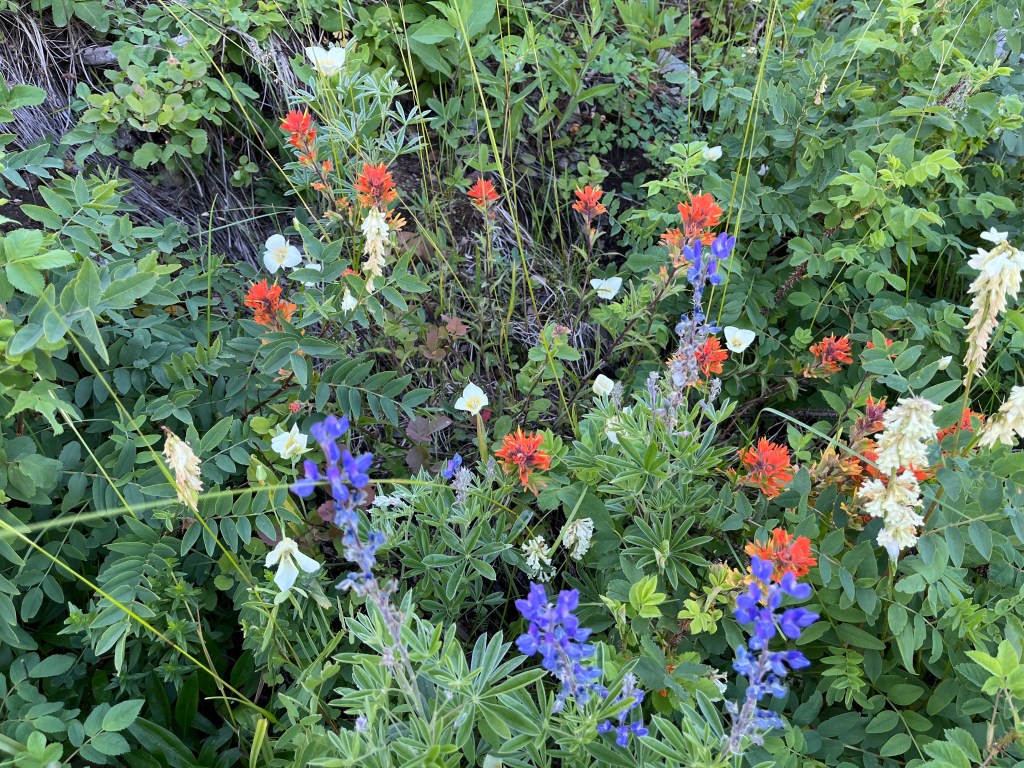
You’d think knowing the plants and animals in your area would be a pretty casual, even normal, task. For the last few years I’ve made a few forrays, but when I started paying attention I was horrified to notice that there are hundreds of types of plants within a 5 minute walk of my house. They’re also generally harder to tell apart than I expected. I have to repeat a thing many times before it sticks, and this subject matter is so vast and subtle that each I became discouraged.
Since the spring, I’ve been making a more serious effort. This time I’ve brought in the heavy artillery. I’m using dichotomous keys, I’m writing notes, and I’m pestering coworkers at every opportunity. I didn’t always have this kind of drive, and certainly not for this subject.
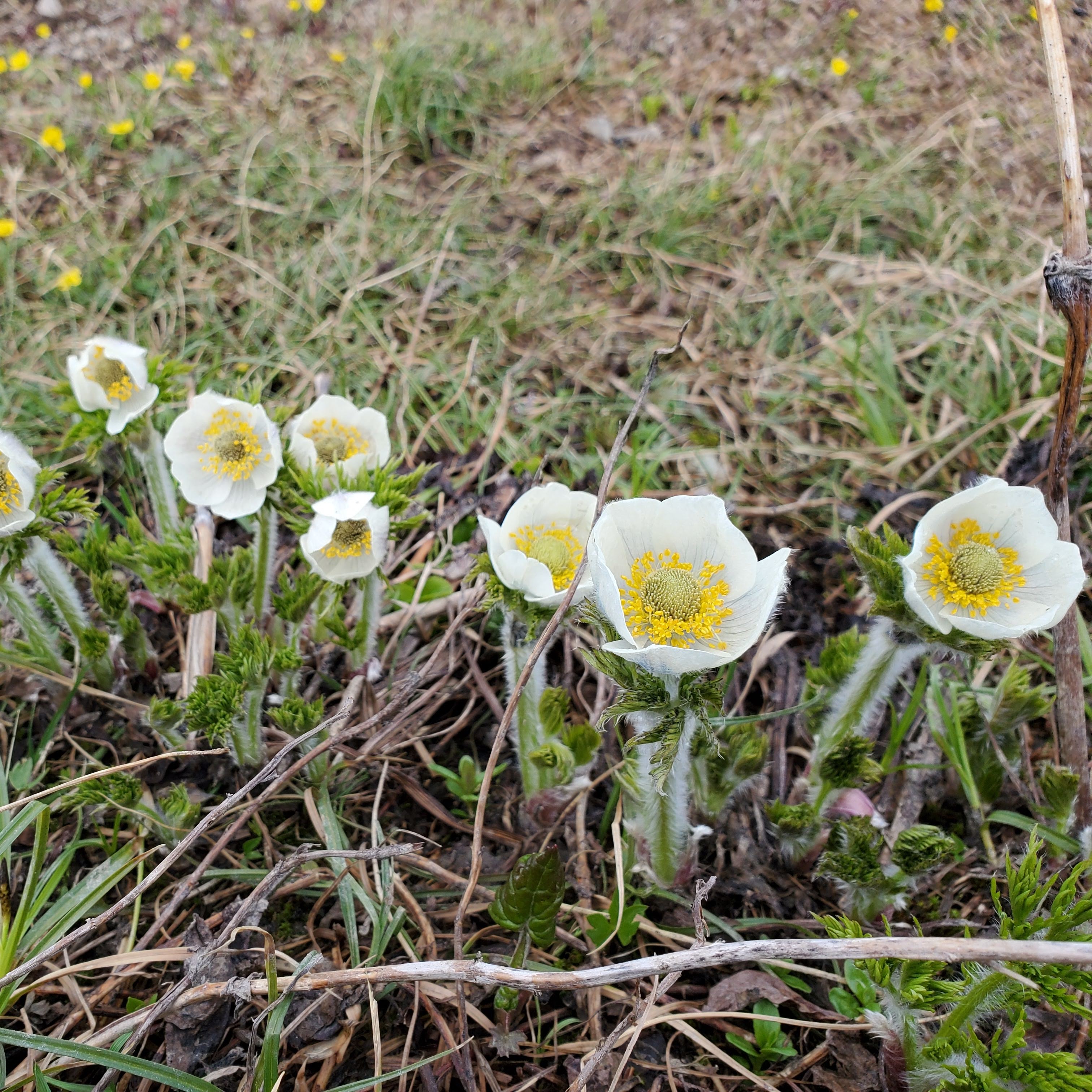
In university I heard a pithy line about how some science is “merely stamp collecting.” The exact quote changes depending on what the speaker wishes to sneer at. I decided it applied to any of my classes that made me memorize too much stuff. The most obvious case as a first year biology major was the identification of plants an animals.
“Congratulations,” I thought. “You know a list of names and precisely nothing about the why of the world.”
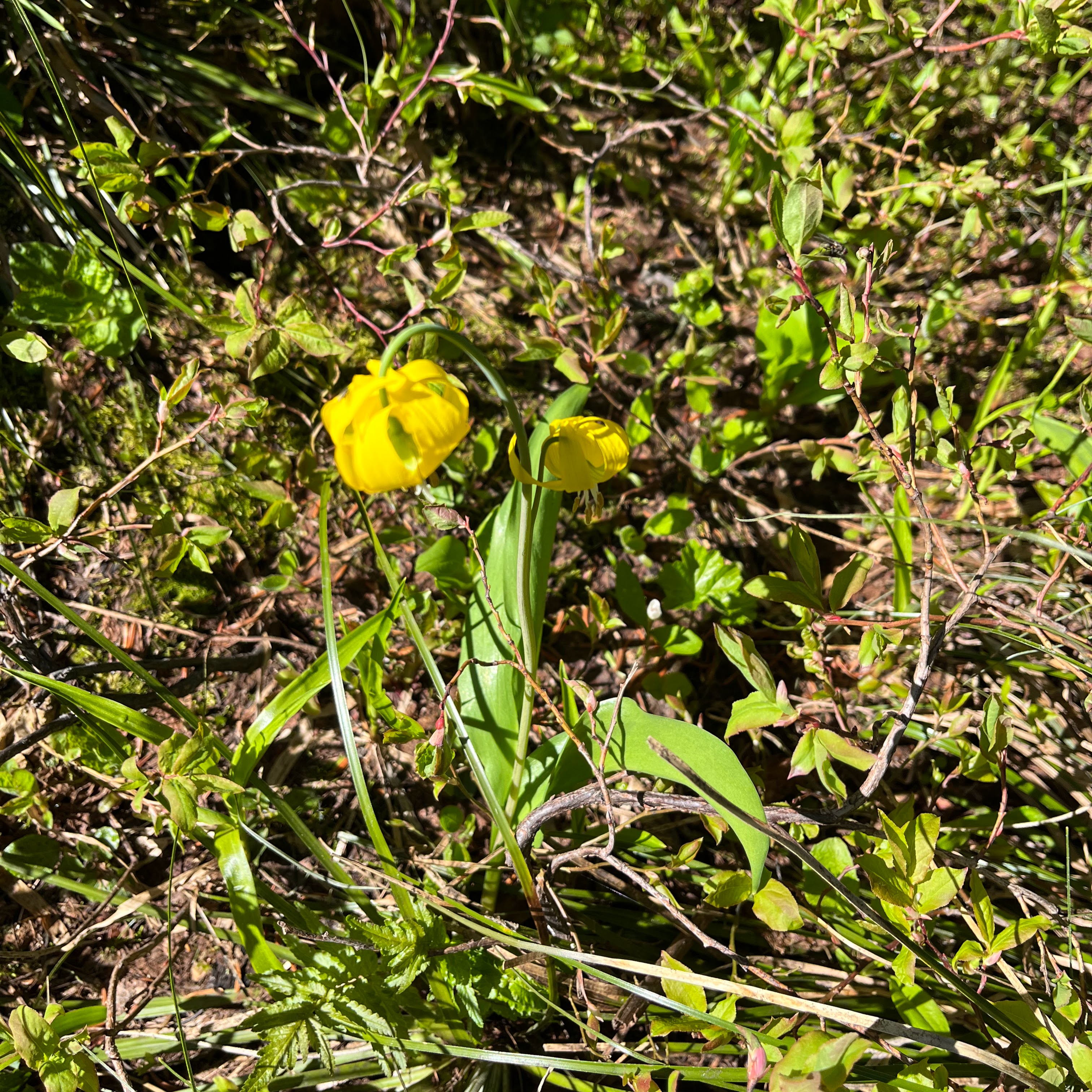
This kind of shallow snobbery was pretty typical for me at the time. Yes, sure, “what”, “when”, and “who” questions do not have as much meaning as “how” and “why” questions. But in science the theories explaining why can only come from an accumulation and organization of those superficial facts. Without those lists of species that I scorned, there would be no theory of evolution. If I wanted laws without empiricism, I should have gone into math or theology.
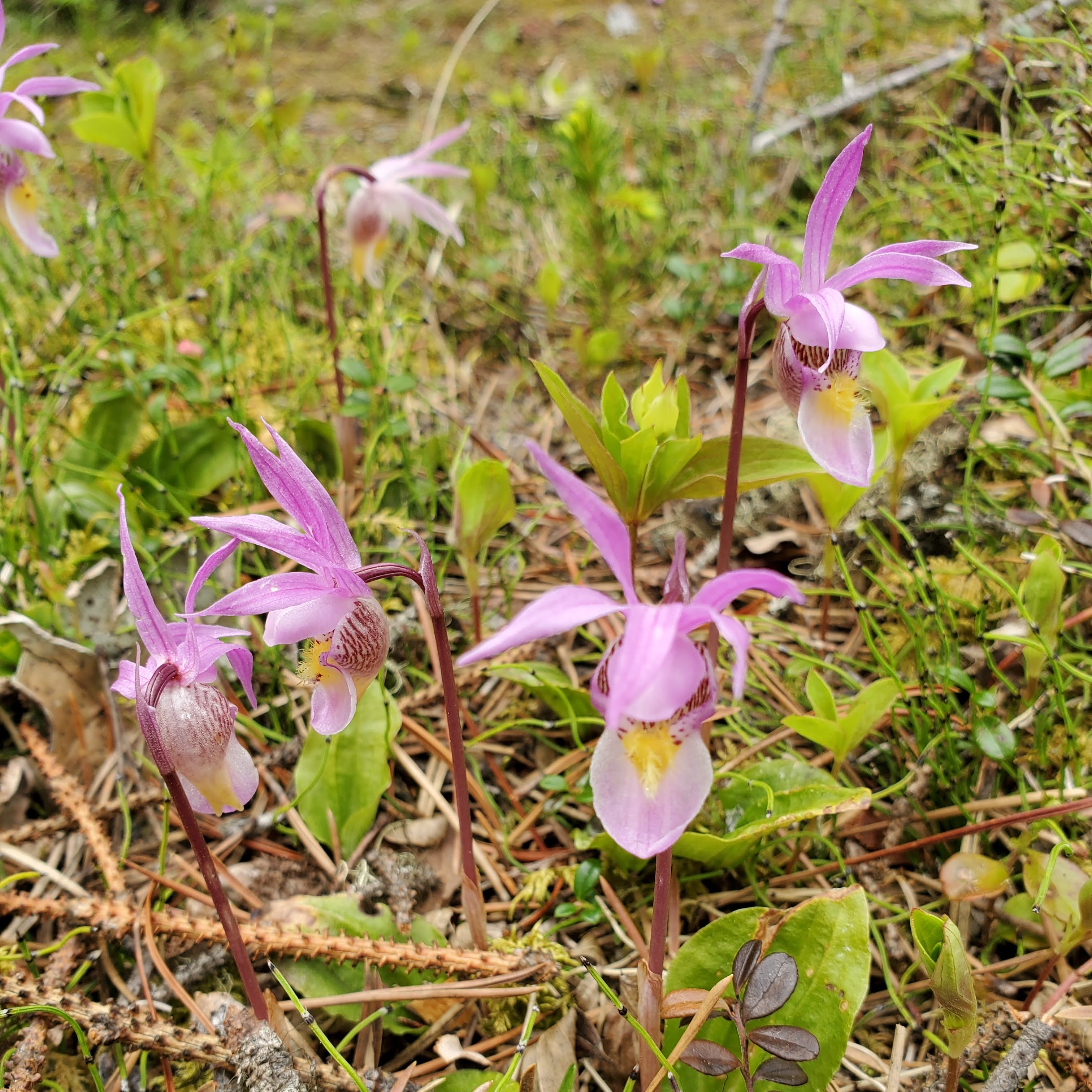
I didn’t see that. Instead I pursued what seemed to me to be more fundamental science, free of stamp collecting : genetics, biochemistry, cell biology. Leave all that flashy megafauna stuff for those who found Planet Earth life changing. (I, a man of culture, was inspired by Carl Sagan clips.) Feeling smug about not learning hundreds of species, I can’t tell you how delighted I was to have to memorize hundreds of genes and proteins instead.
It took me my whole undergrad to come to terms with the hard truth that, at least in chemistry, biology, earth sciences and others, there is a necessarily large “vocabulary” of facts that must just be learnt before I can get to the good stuff – the connections between the facts.
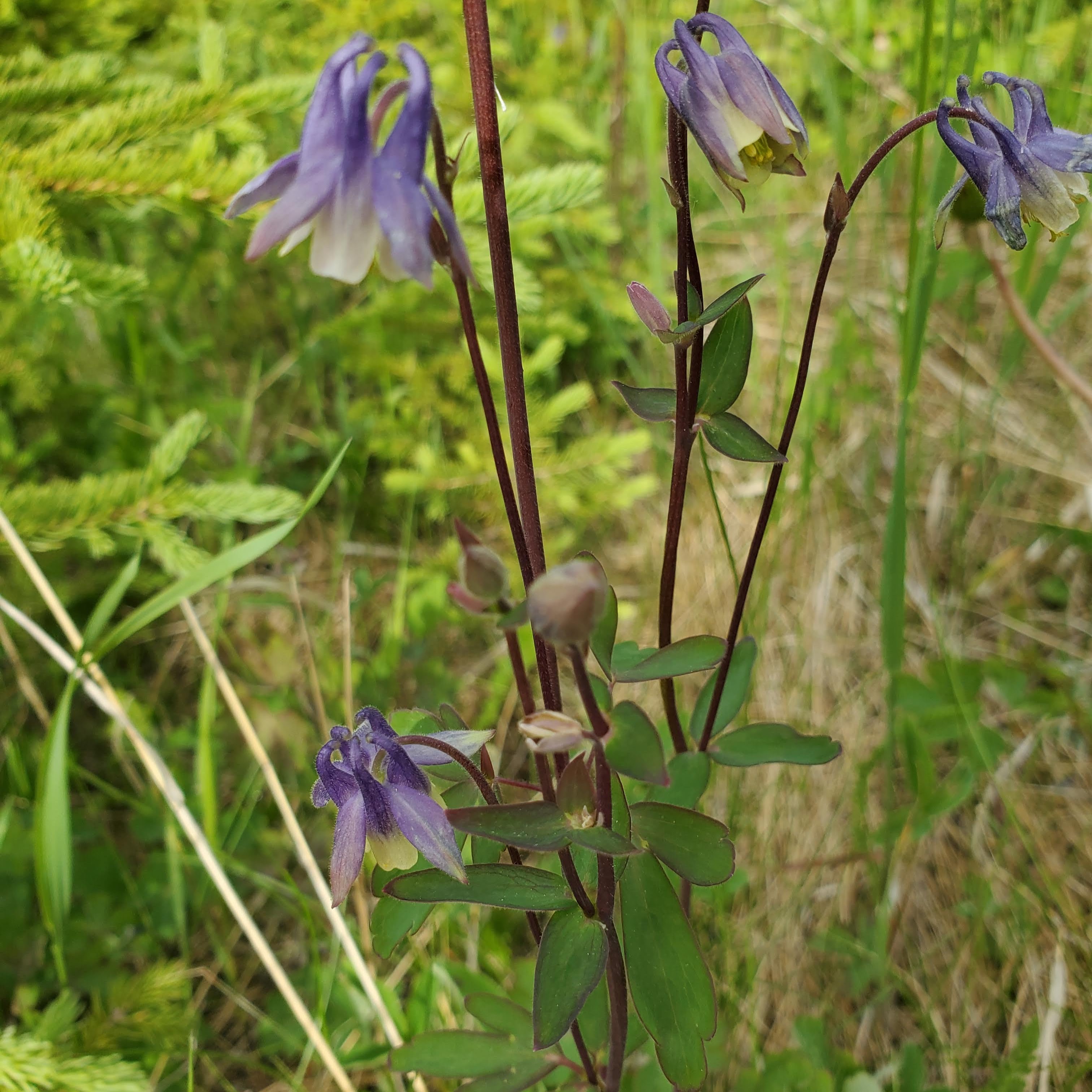
After leaving university, when the pain of exams and assignments had faded and I could learn for pleasure again, I began to dabble in all kinds of subjects. Economics, geography, history. All had plenty of rote memorization and yet it was fun and rewarding.
Now it’s time for all those plants and animals.
Sources
Gadd’s Handbook of the Canadian Rockies
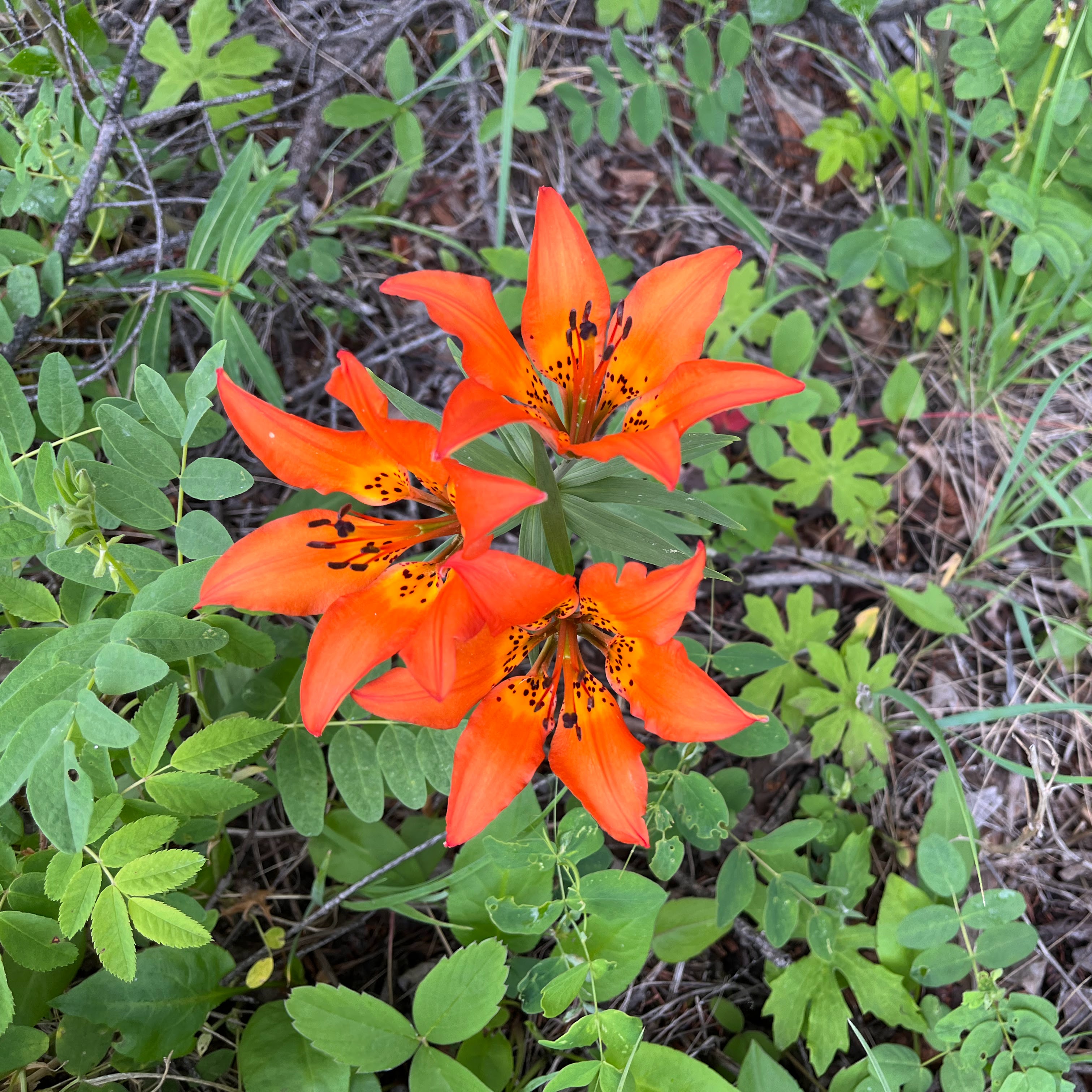
Has hundreds of plants, rocks, birds, and more organized in a non intimidating but unscientific way. Descriptions avoid jargon. Sounds good but there are downsides when you want to be sure of an identification. Contains the most outdated info.
I picked this book up when I first moved back west and used it exclusively on my aborted early attempts to learn something about where I live.
iNaturalist
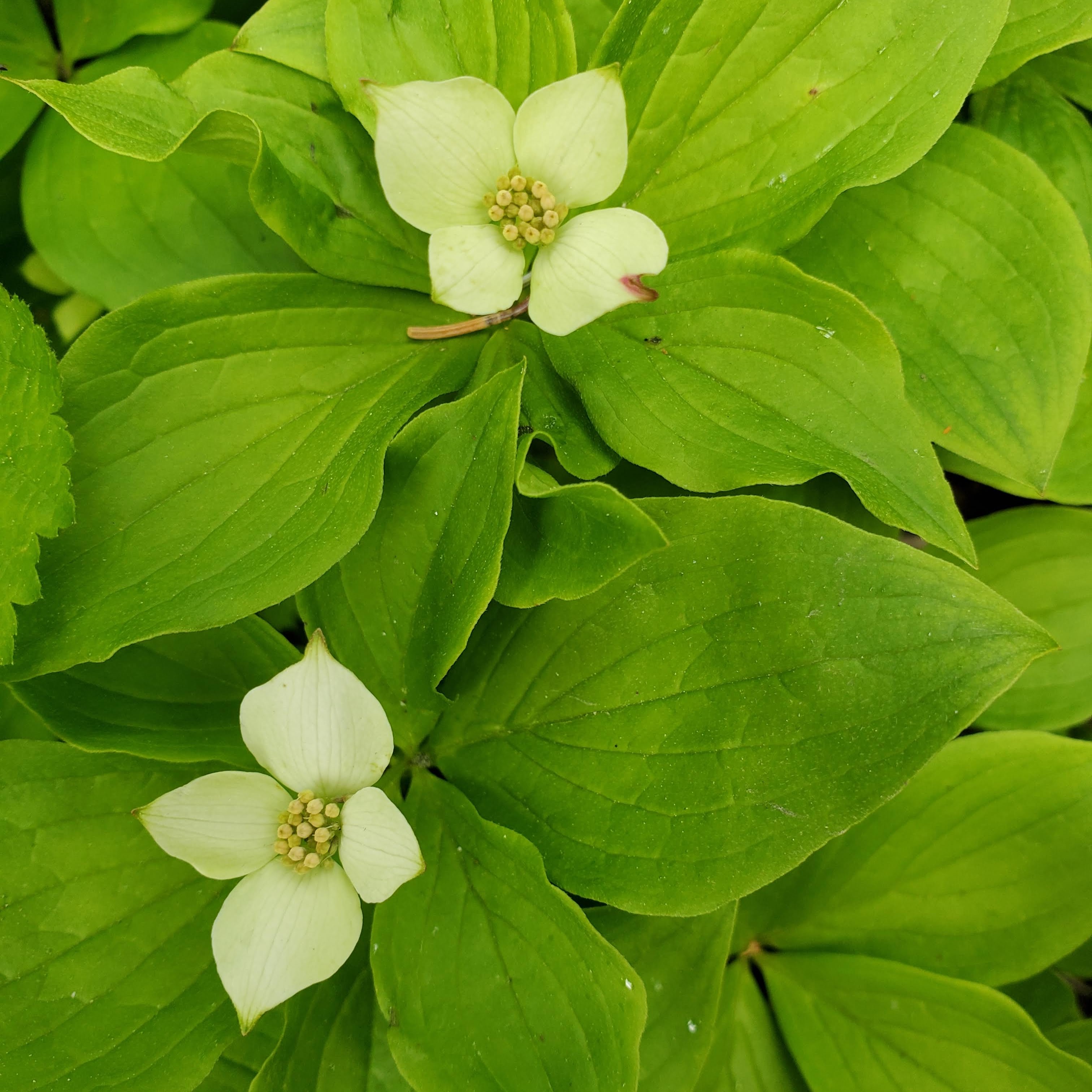
Incredible app. AI put to great use. Despite my default distrust, it is a very accurate and convenient resource and is honourable about admitting when it isn’t sure. The only downside is it is so easy I don’t learn much. I don’t have to actually notice the features that makes a plant unique; I don’t have to spend time thinking and working through a key. I just get the answer without effort or much satisfaction. It is best used to confirm an ID made with a book, or to get the solution if I failed. I can then use the answer to work backward and see what the book descriptions look like on the ground.
Merlin
Another wonderapp. Learning bird calls and songs is a whole new way to use my brain. Only through hundreds of repetitions have I nailed down a handful of the most common birds around here.
One interesting thing is how divorced my two main senses are. I rarely see the birds I hear and so can’t connect their appearance to their song. I heard different sparrows out my window all spring and Merlin told me their names but I never knew which was which when I went outside.
Coworkers
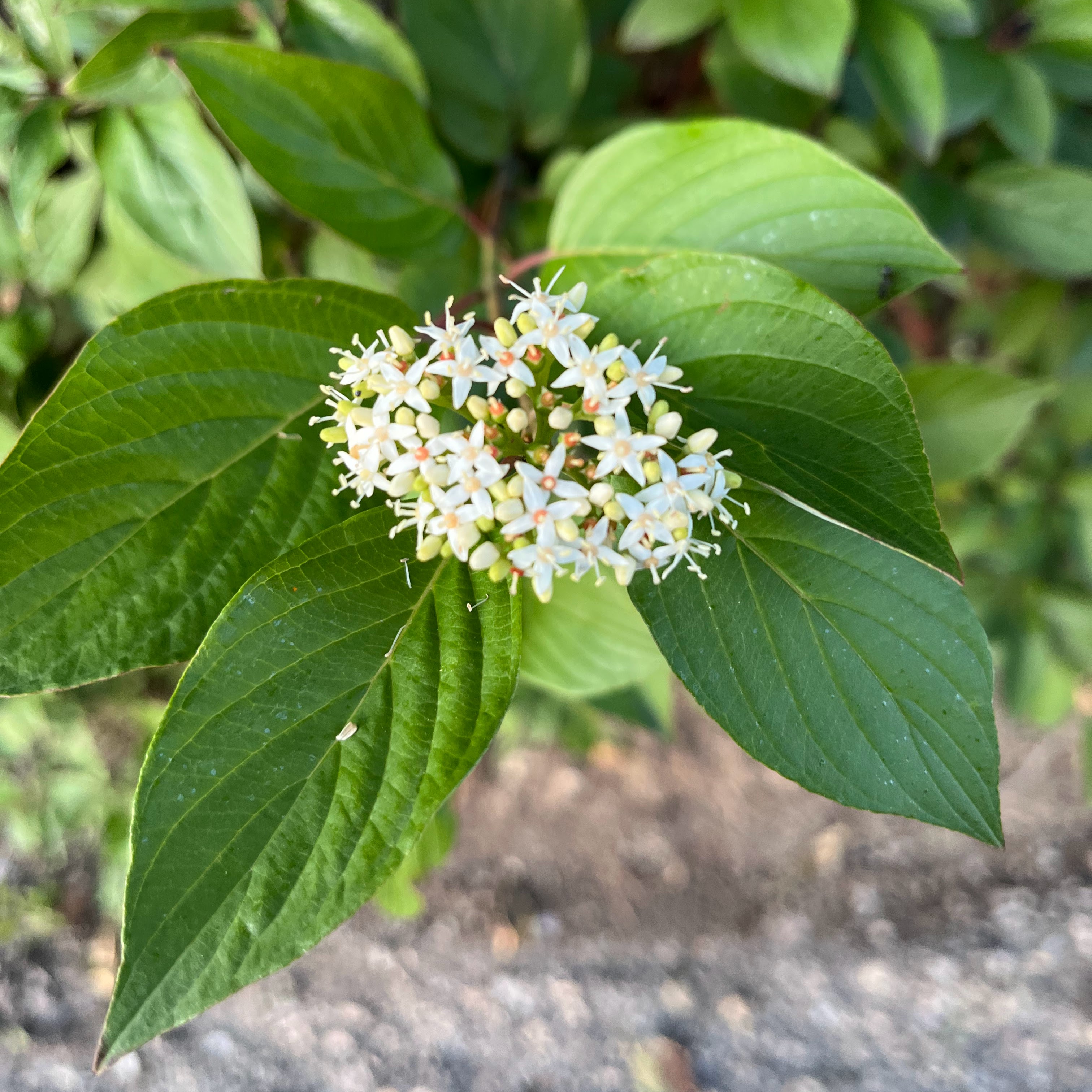
They vary in their speciality. Some are amazing birders who can hear a jumble of distant calls mid-conversation and know many of the birds around them. Others are plant whizzes who can tell me all about their place in the ecosystem, what parts you can eat, etc. I try not to pester them too much and besides I can’t remember more than a few things at a time.
They’re also really good about saying what they know and don’t. Back in 2018, hiking back from Hidden Valley with Terry, I asked about a flower. He shrugged, “some kind of aster?” I was unsatisfied then but today I know it was a perfect answer. For one, I wouldn’t have remembered the scientific name. But also the aster family had just been reorganized and most of the genera in North America had changed names.
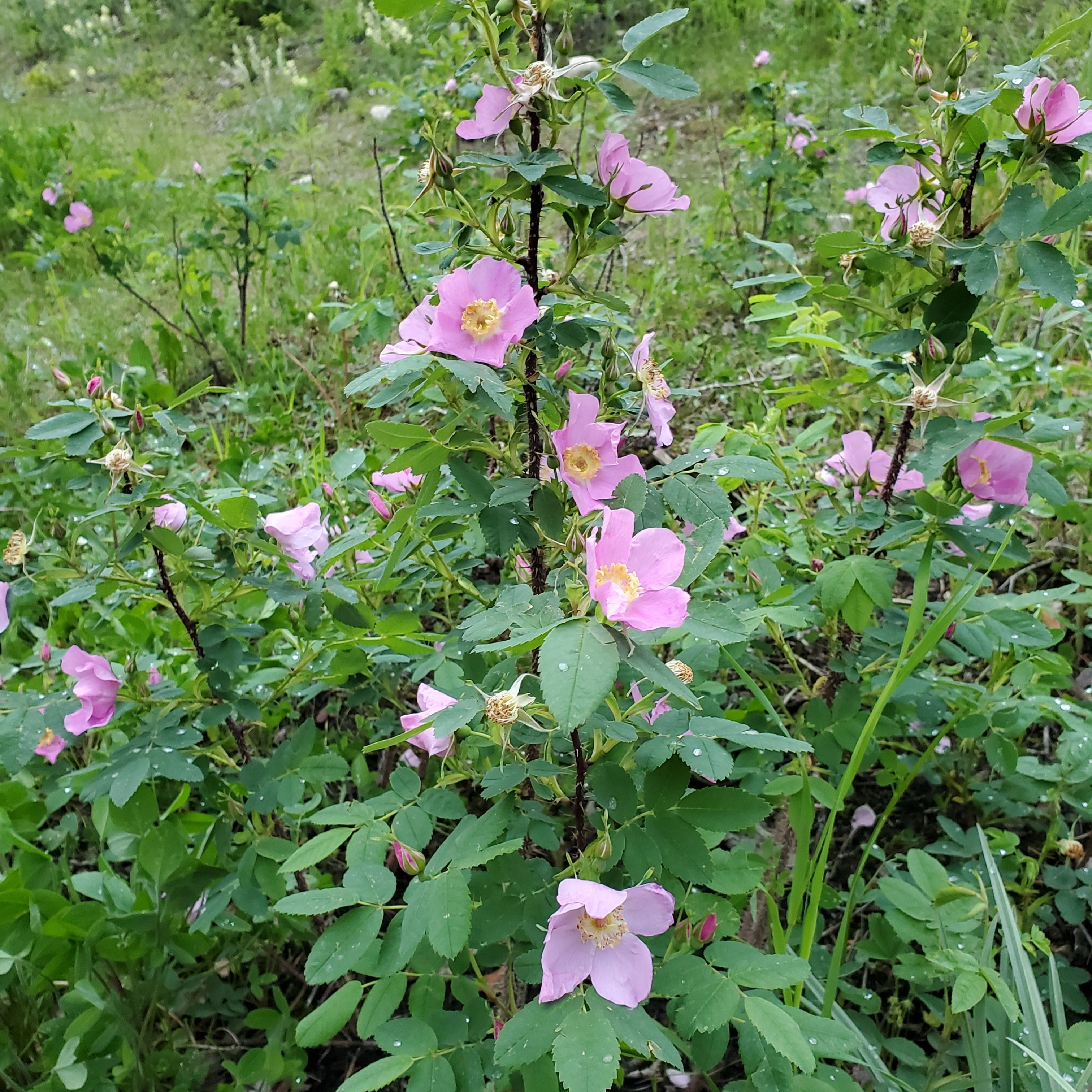
Kershaw’s Plants of the Rocky Mountains
Has a systematic organization, full biological keys, and descriptions with all the scientific terminology. What with constantly flipping to the glossary to learn what involucral bracts and tripinnate leaflets mean, it took me an hour to work through the key to my forest attempted ID. I failed to get all the way down to species, but I learned some botany terms that are continually useful, and has started to part attention to key features.
As much of a step up in rigour as it is, there are still outdated names. There are also many species missing, a consequence of covering the US and Yukon Rocky Mountains as well.
Wikipedia
When sources disagree on names and taxonomy, wiki is the ultimate authority. Thorough and up to date, but not convenient for ID and time consuming to read and understand and follow links.
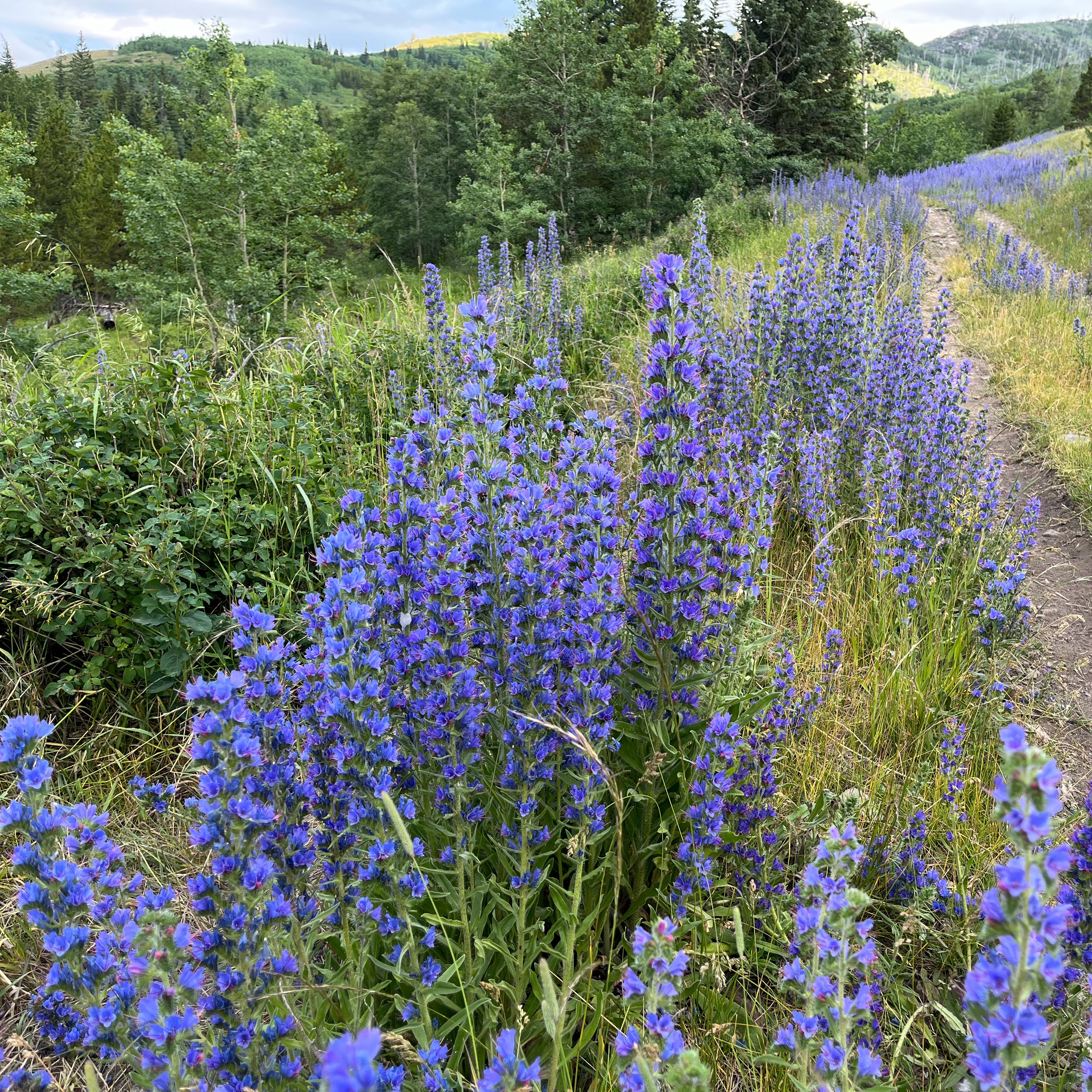
There is one clear way to divide flowering plants, and that’s based on whether, when the seed first starts to germinate, it produces just one embryonic leaf or multiple embryonic leaves, called cotyledons. OK, it’s not actualy a simple split. About 3% of flowering plants don’t belong to either the monocots or the eudycots, but 97% is extraordinarily good for such a simple, high level division. It’s amazing that it was recognized in the 17th century and has been largely confirmed with genetics. Many, many, many other supposedly diagnostic physiologies have turned out not to signify anything about taxonomy.
More Predjudices
I want a structure on which to attach facts. There are a few common ways to organize living things, such as by ecological function. But my resources organize things by relatedness, so I have begun this way too. But it’s tough.
Taxonomy isn’t what I remembered. I learned a neat branching tree. Kingdom, phylum, class, order, family, genus, species. In first year university they told us about domains, and I was vaguely aware of varieties as a kind of subspecies for plants.
It’s comforting to feel like there is a neat order to life on earth, perhaps even one that fits cleanly into nested sets with just 8 levels. But why would it? Every speciation event is a node. 8 levels is at best arbitrary – you could just as logically have as many levels as speciation events in any lineage going back to the first life form. In my third year, we talked about generic groupings – clades – which are just any circle you can draw around a bunch of species. You wanted a monophyletic clade, which is to say they all have a common ancestor.
So I had to get over the fact that there just isn’t a clean, simple, meaningful system, like a periodic table of species. Take the taxon “family” for example. In some cases it’s useful to divide a family up into sub-families, tribes, and sub-tribes before getting down to genera. In other cases these are omitted.
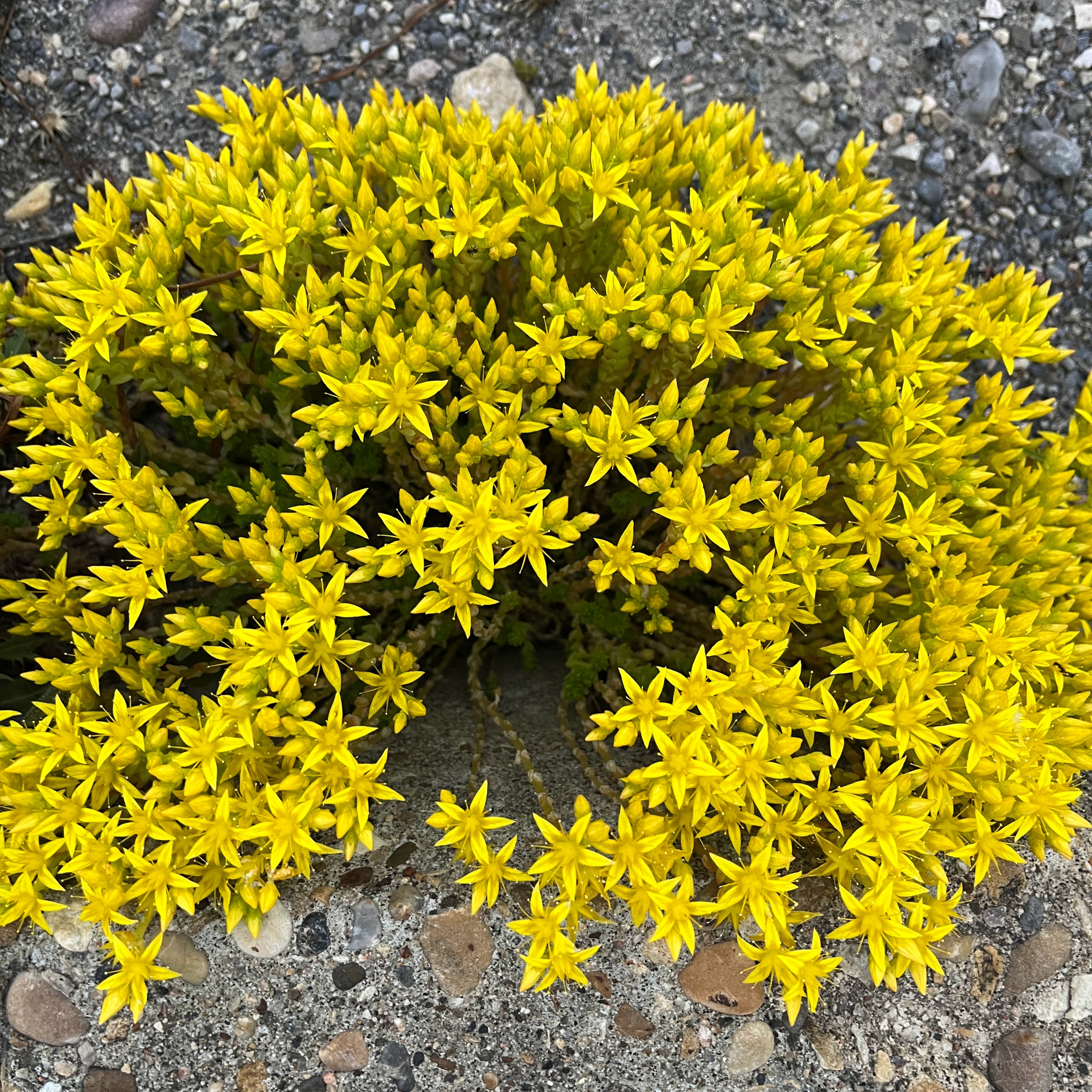
But there’s another thing I had to get over with plants (my impresion is this is less of an issue with animals); relatedness is not reliably discerned by appearance. Take the pea family (Fabaceae). It includes your garden peas, of course, and it also includes purple clover in your lawn, and just when you’re thinking well those are kind of similar, you read that it also includes acacia trees. I read in Gadd that Hedysarum has very pea-like flowers. Well, if this flower is more pea-like than others in the pea family, what can you possibly mean by “pea-like”?
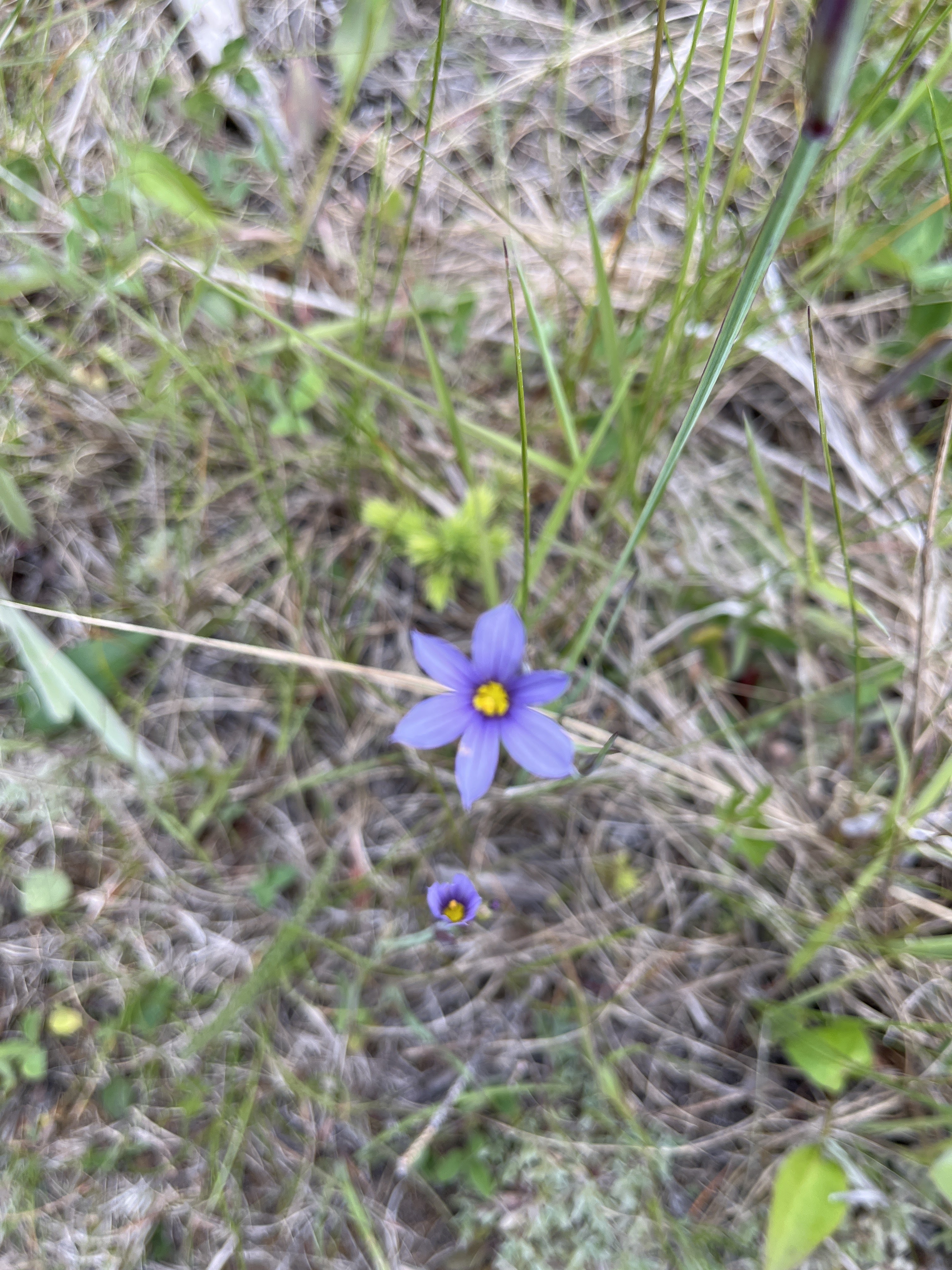
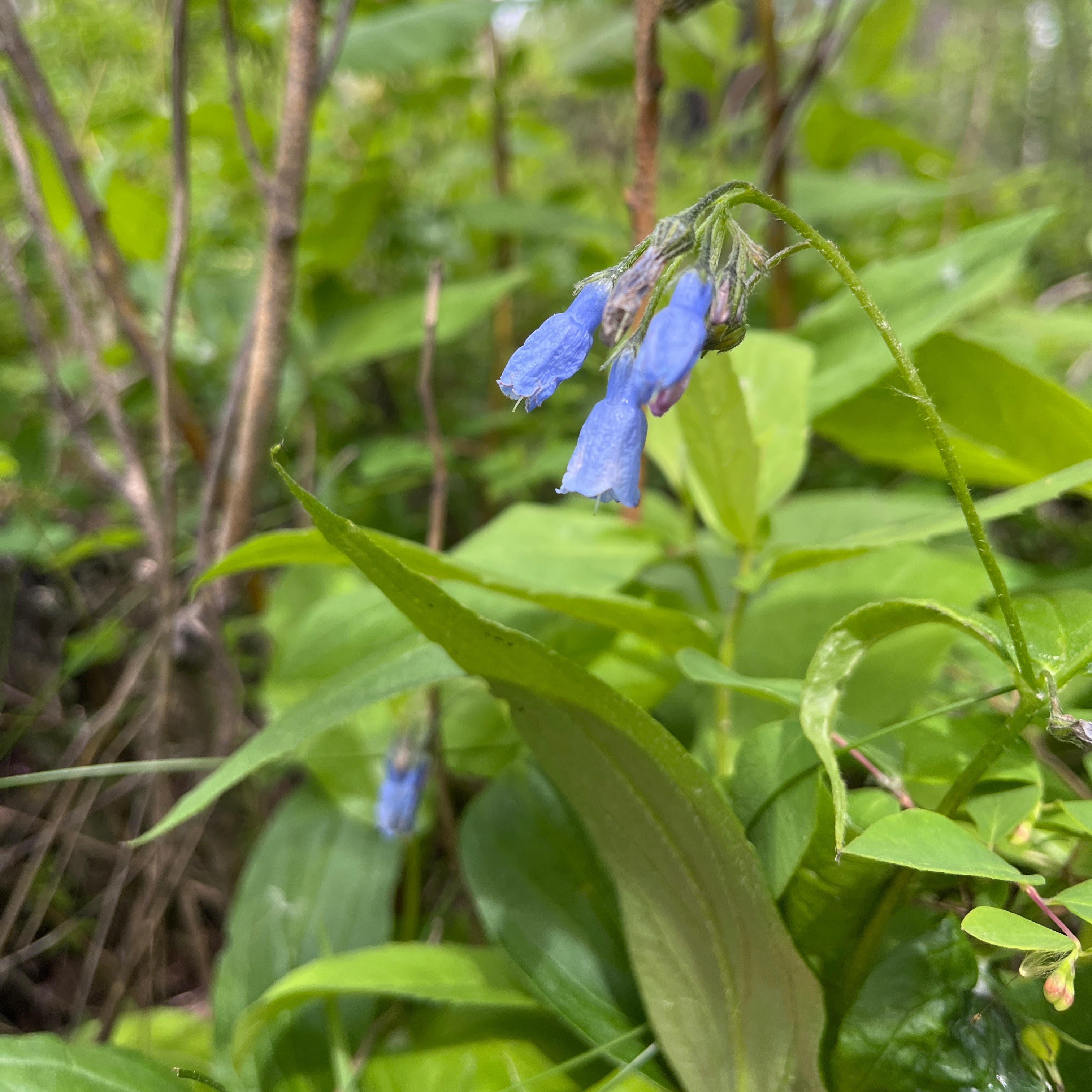
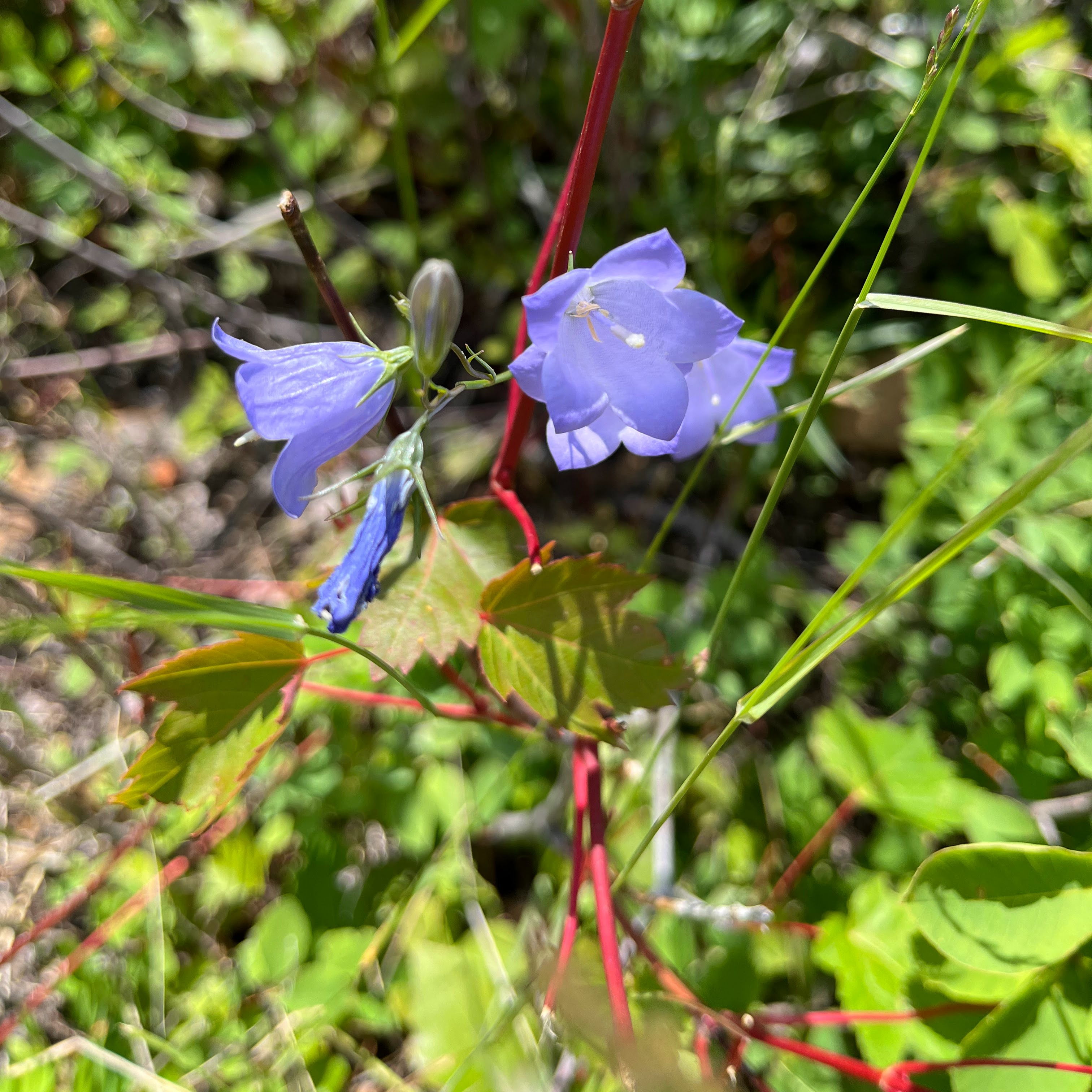
Or look at it the other way. There are a few kinds of bluebells around Hinton. There is Polemonium AKA Jacob’s-ladder (phlox family), which is easy to confuse with another bluebell called Mertensia (forget-me-not family), but enthusiasts insist the “true” bluebell is Campanula (family: Campanulaceae). None of them are even in the same order. By the time you find a common ancestor for these three blue bell flowers, you’re in a group of over 80,000 other species, almost none of which share the trait of blue bell flowers.
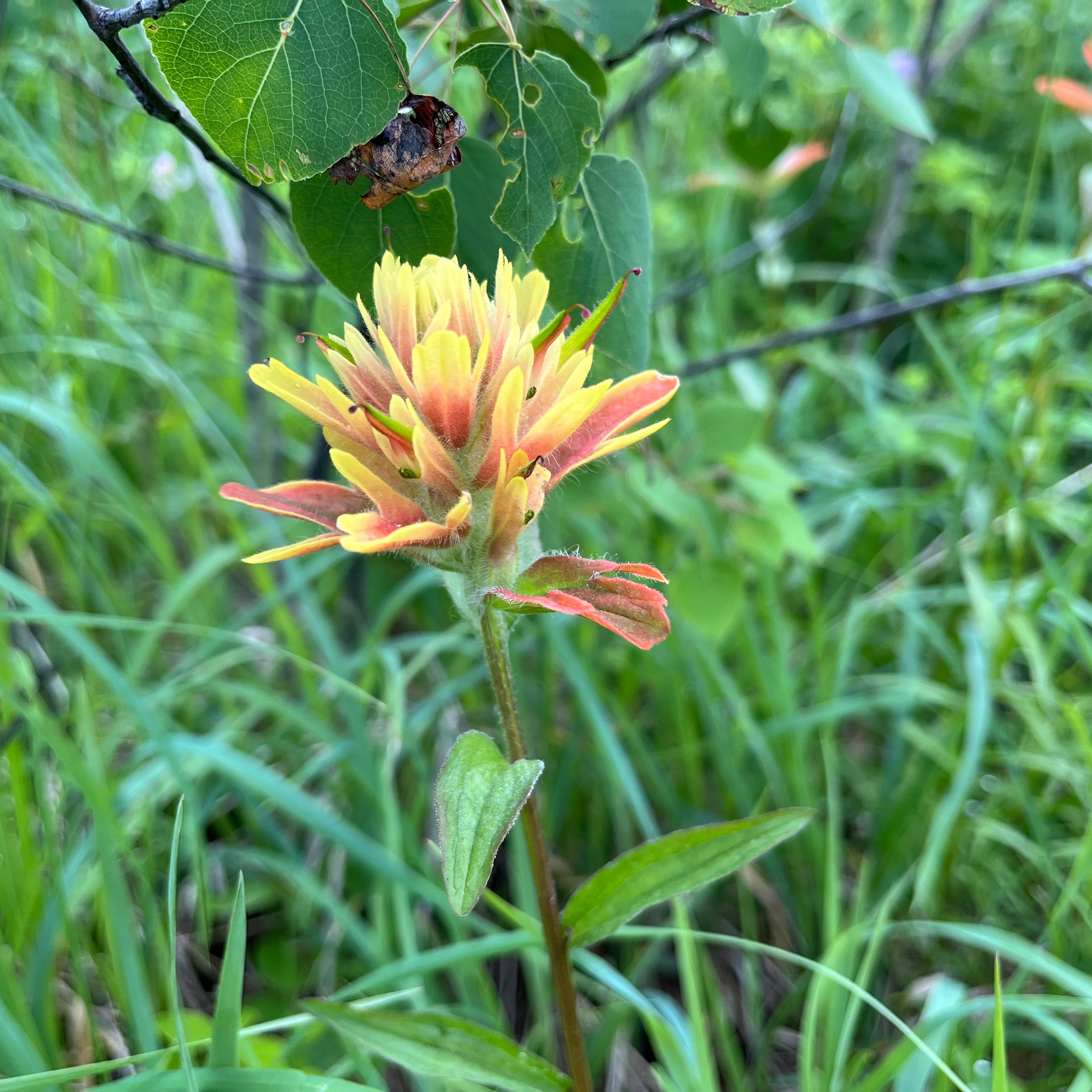
At the level of taxa like orders and families, there isn’t much in the way of practical benefit to the ambling naturalist from knowing these relationships. I’ve never insisted on practical benefits when I’m curious, so I was able to accept this disconnect. However, it does mean that botonists have, in countless cases, been mistaken in their classificaitons going back hundreds of years.
This is annoying for them, of couse. It’s also annoying for me because as more plants have their genomes sequenced, the molecular taxonomists, those agents of chaos, keep reorganizing the taxonomy, changing the names of the plants. This means my sources are not uncommonly out of date and disagree, and I spend time trying to figure out which is right and unlearning what I had read. I bought Kershaw’s boook specifically because it had been updated “recently” (2017). But unfortunately the Asteraceae family in particular has since undergone a full-scale civil war and now North America has lost all its Aster genera, save one. The ones around here have largely been renamed Symphyotrichum with a few Eurybia to keep things spicy.
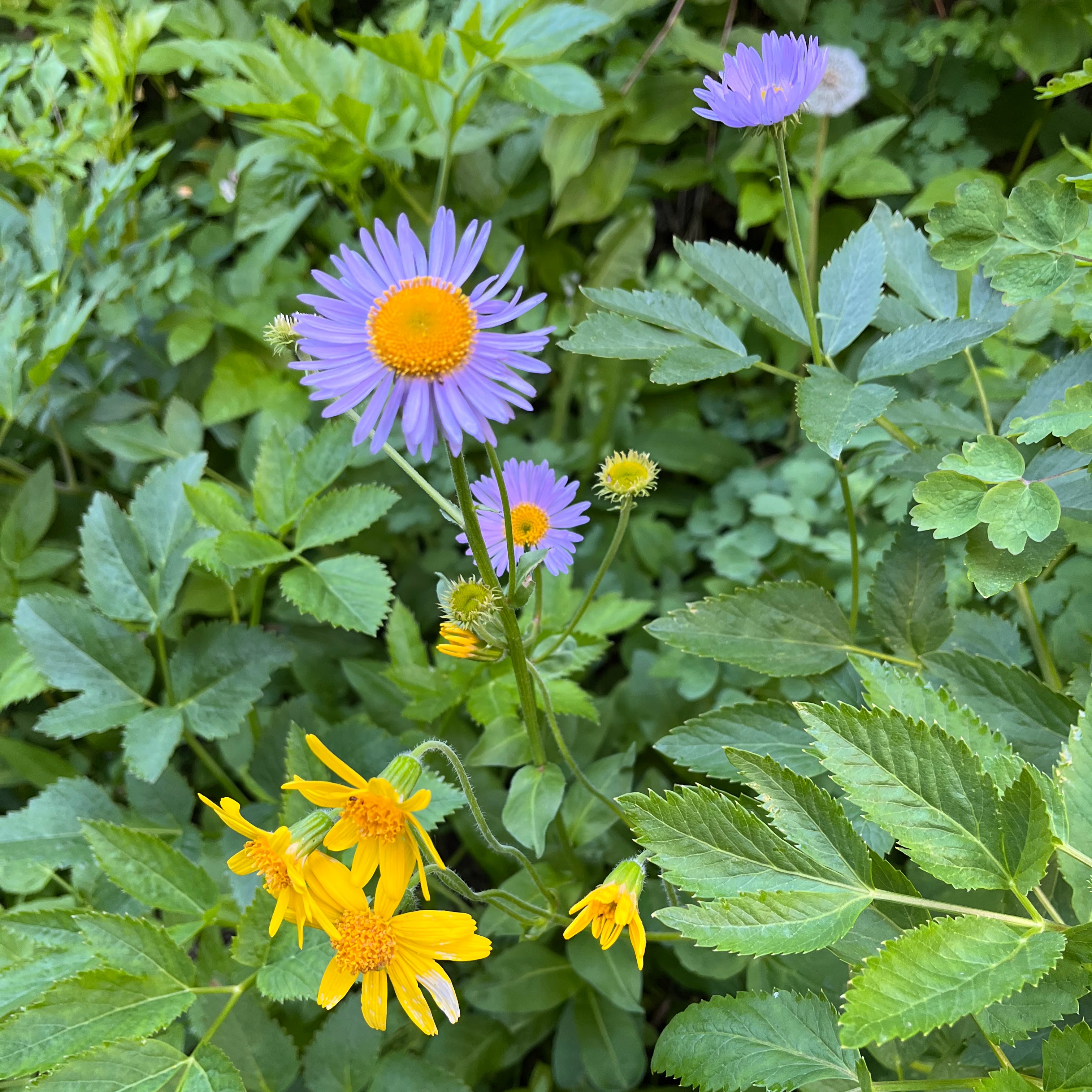
At the level of species, it’s no less confusing. Some of it comes from the old biology puzzle of trying to define a species in the first place. Exactly how much variation within a species can there be, and still call it one species? To that end, sources go back and forth on whether such and such a plant is a variety of a species, or its own separate species. There are sub-species and sub-varieties and forms and sub-forms. The literature is a constant churn of lumping and splitting, binding and loosing.
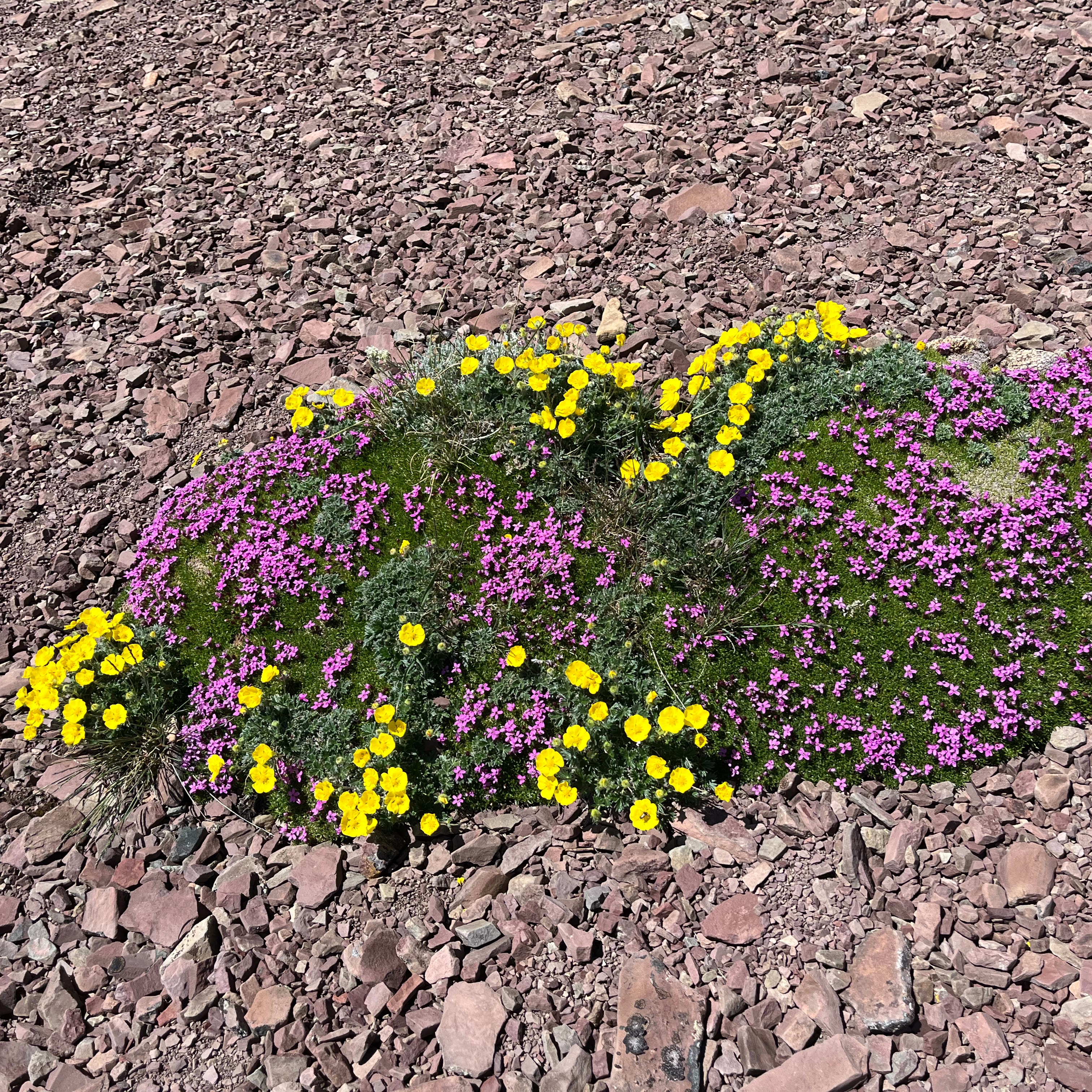
And this brings me back to my first predjudice. My choice to study genetics and the micro stuff is arguably vindicated here, because it clearly isn’t the macro structures that can guide us in correctly deducing how plants are related to one another. It’s their DNA. For hundreds of years, botanists had no way of peering into that fundamental layer. They didn’t even know genes were a thing. They were prisoners in Plato’s Cave; the phenotypes they could see were just the shadows on the cave wall and the genes behind them waving their hands in the dancing firelight.
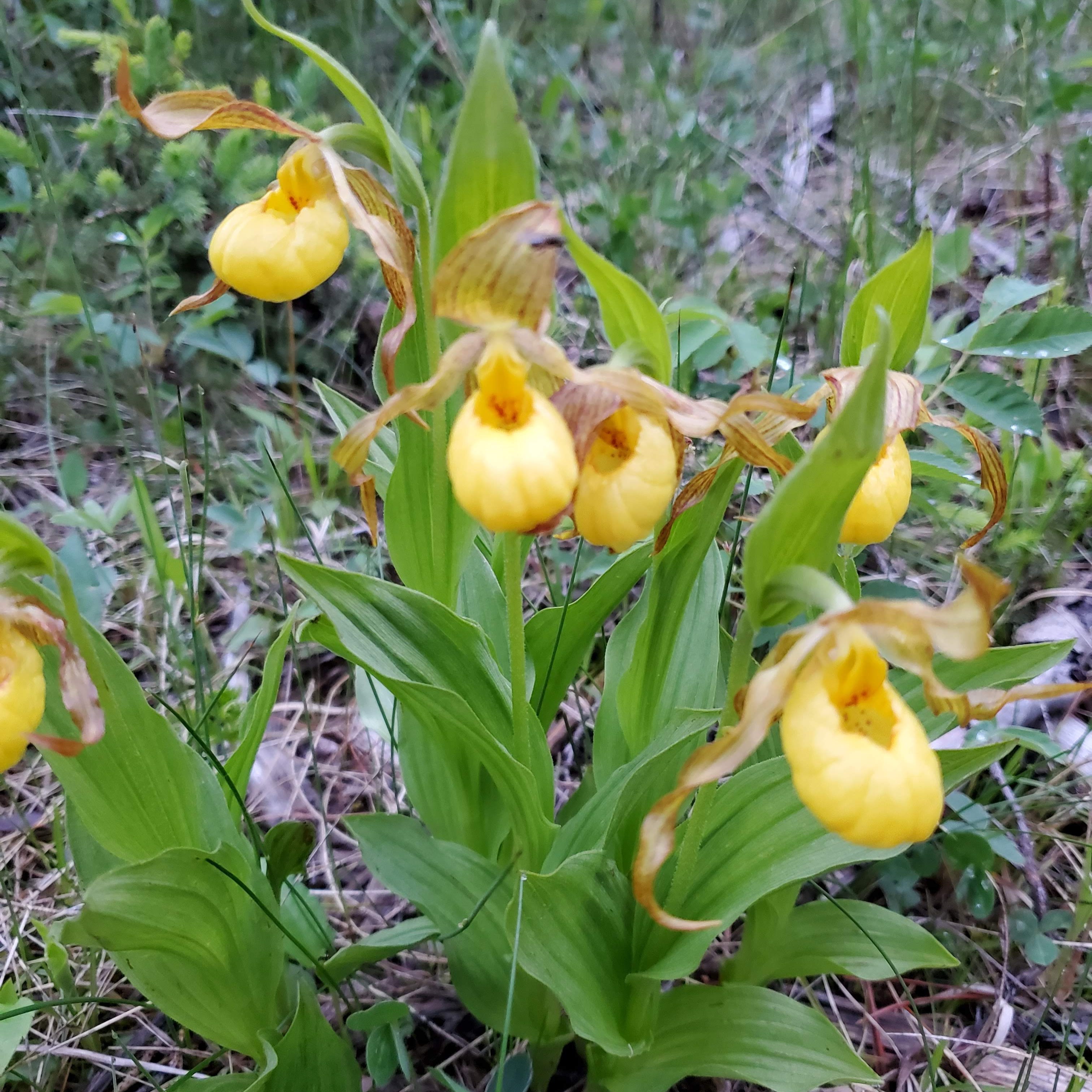
By the time you get down to the level of genus, structures do seem to be a lot more shared. In fact, it’s nearly impossible for me to distinguish between different species in many genera. For now, I’m ok with that. If there’s only one common species, I’ll learn the full scientific name. But for most plants I’m happy with knowing the family and genus, a common name, and a fun fact or two about it.
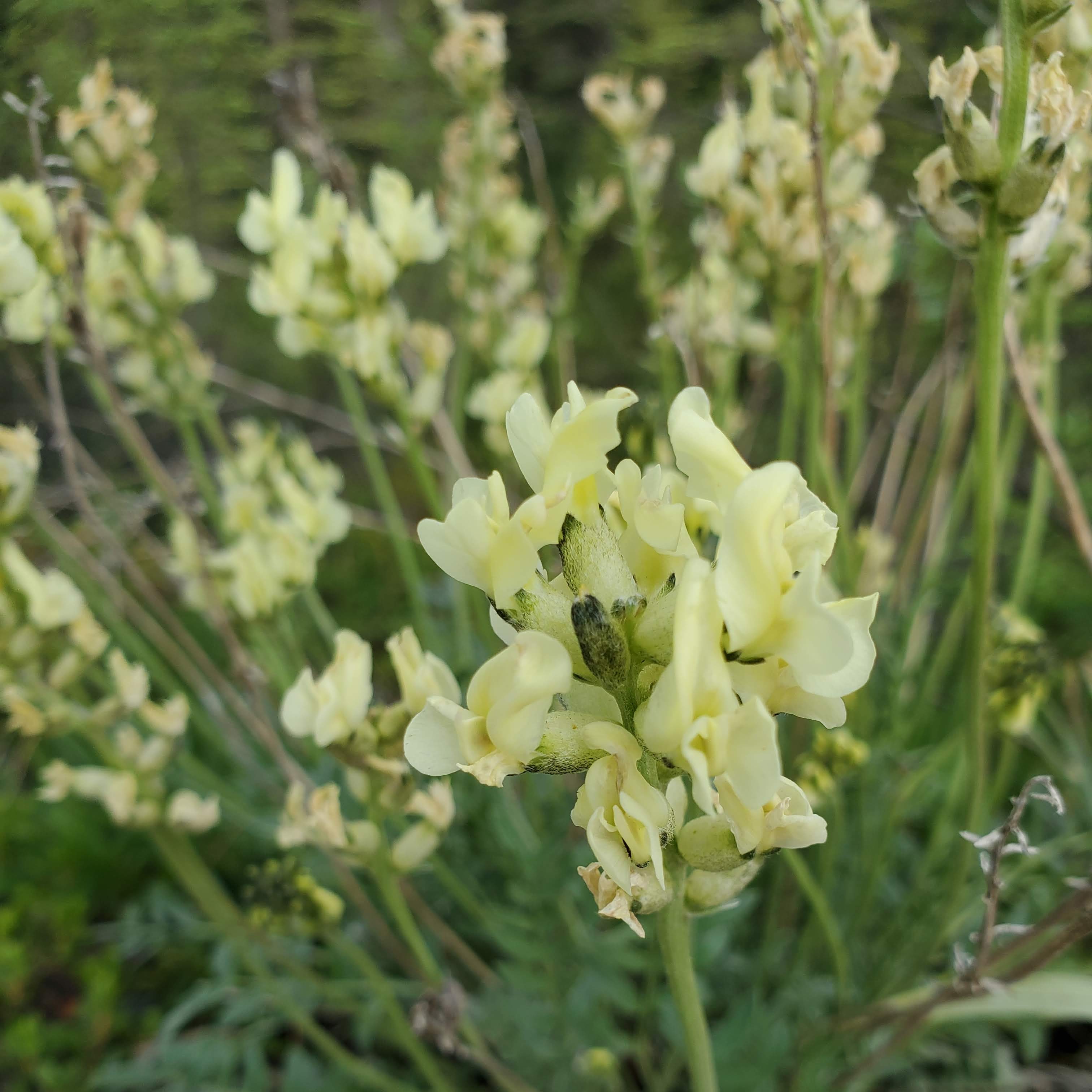
This year I’ve identified and recorded somewhere around 100 genera of plants. I hope that this exercise in stamp collecting will let me make ecological and evolutionary connections as I’m on the trails. There’s one connection for certain – my newly established link to the plants I see on my walks.


Leave a Reply